
Phocomelia
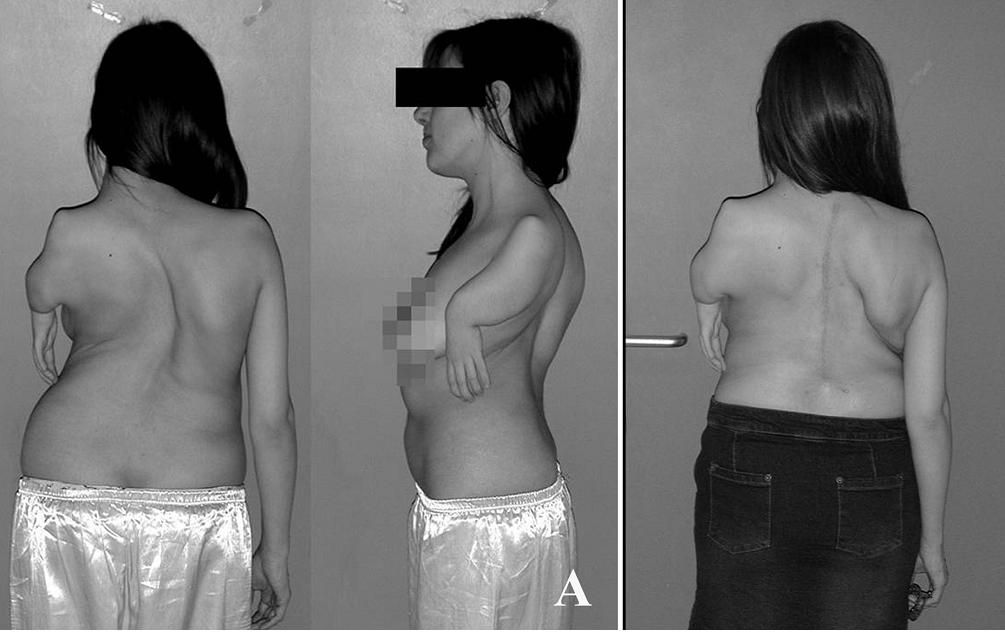
Image courtesy of upload.wikimedia.org/wikipedia/commons/3/3e/Phocomelia.jpg under the creative commons lisence.
Phocomelia is a congenital deformity is which the long bones are absent and the limbs may appear flipper like. This name actually means seal like limb in Greek. Over 90% of Phocomelia cases were exposed to thalidomide during the first trimester in utero. It is this extremely high attributible risk that makes thalidomide such a potent teretogen.
Thalidomide
Thalidomide was given to pregant women very early on in pregnancy during the late 50s and early 60s in order to over come morning sickness. Thalidomide has anti inflammatory effects but also anti-angiogenic. This means that it prevents the formation of new blood vessels. Research has continued into the drug and it was found that it was only due to one specific isomer of the drug. It is now thought that the drug may down regulate TGF- alpha signalling. Because of this other drug isomers have a potential in cancer therapeutics.
This is the best known case study where insufficient drug testing prior to human administration has had detrimental and international effects.